Gator Blog
UNSOLICITED INFORMATION, with LOVE
Advice no one asked for—shared with a whole lot of heart.
For families and caregivers loving someone with an intellectual or developmental disability.
Best Fit Education-Part One
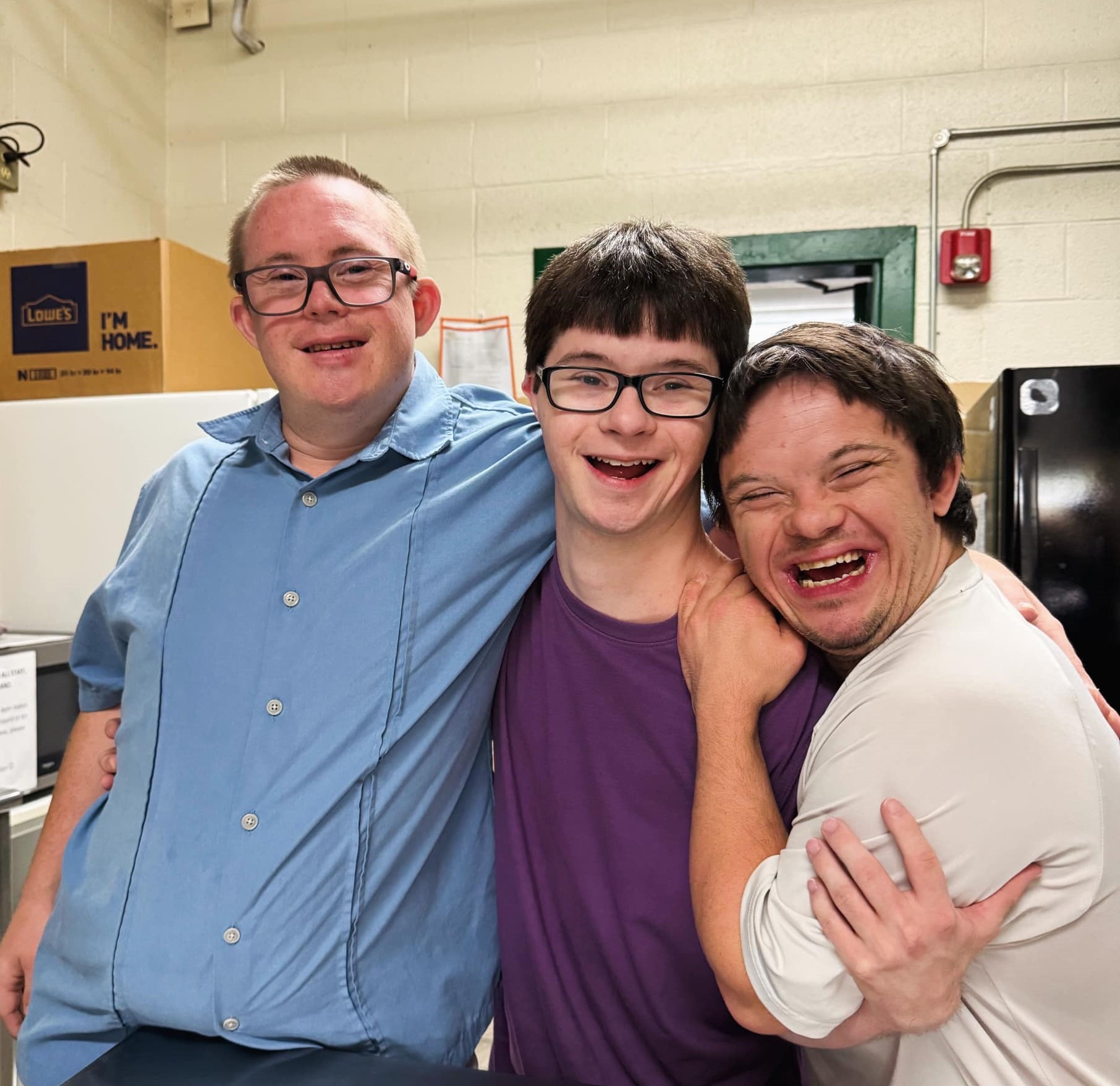
School Choice: Every Family Deserves Options
Strong public schools matter. High-quality charter schools matter. Exemplary private and faith-based schools matter. Microschools, homeschools, hybrids; they all matter. Together, they create a landscape where every family can find the right fit. Educational pluralism, an internationally recognized model in which the government funds diverse educational options, has many benefits.
Ultimately, the best school is the one where your child learns, thrives, and feels valued. And every child deserves access to that school.
Many people can agree that a one-size-fits-all educational system has significant deficits for a large percentage of students. However, there are many who are seriously resistant to major changes in the American educational landscape. From where does this resistance come? Politics? Fear of the unknown?
How does this apply to learners with intellectual or developmental disabilities? Is an educational environment designed specifically for students with disabilities right for my child? What about the Least Restrictive Environment and Inclusion?
According to the United States Department of Education website, the Individuals with Disabilities Education Act (IDEA) is a law that makes available a free appropriate public education to eligible children with disabilities and ensures special education and related services to those children. In this law, Congress states that disability is a natural part of the human experience and in no way diminishes the right of individuals to participate in or contribute to society. Improving educational results for children with disabilities is an essential element of our national policy of ensuring equality of opportunity, full participation, independent living, and economic self-sufficiency for individuals with disabilities.
Provisions are made for serving children in the ‘Least Restrictive Environment’ with nondisabled peers to the maximum extent possible. Both families and educators refer to this as ‘inclusion’.
Inclusion is Valuable, But Not Always Best for Every Child or Every Situation
- Why inclusion matters: Being with peers, learning in natural settings, and accessing the same opportunities can help children feel valued and develop social and academic skills.
- Why inclusion isn’t always the best fit: Some children may learn better in smaller, more structured environments, or with specialized instruction that’s not possible in a general classroom. A child may feel more socially connected with peers who have similar skills and interests. Forcing inclusion without support can lead to frustration, isolation, or unmet needs.
- School vs. Community: Opportunities for developing relationships with nondisabled peers can happen anywhere, not just in classroom settings. Consider seeking peers in recreational sports, church, parks and other settings where you can support your child in this area.
- The Mascot: In some classrooms and schools, a student with a disability may get lots of attention just for being there. This attention can be disproportionate because of the disability and feel really good for the individual with the disability. Relationships can be surface level or based on social media attention. Feel good stories are reported on the news, but are there long-lasting, deep relationships?
Best Fit Approach
- Start with the child. Look at strengths, needs, interests, and comfort level.
- Ask: Where can this child learn, grow, and feel safe with the most success?
- Will the child benefit from specialized curriculum and techniques not offered in a traditional classroom?
- Flexibility is key. The “best fit” may change as the child grows and develops new skills.
- Where can the child have opportunities for building relationships with neurotypical children?
Inclusion in a classroom setting is an option, but not a mandate. Every child deserves the environment where they are supported, challenged, and loved. The goal isn’t the placement, as restated from IDEA, “Improving educational results for children with disabilities is an essential element of our national policy of ensuring equality of opportunity, full participation, independent living, and economic self-sufficiency for individuals with disabilities.” Families need to seek the educational options where their child can learn and develop to become the best they can be.
Why “Best Fit” Matters
- Reduces frustration and stress for the child.
- Builds confidence through achievable success.
- Creates space for genuine friendships and joy.
- Prioritizes the child’s growth and well-being over placement labels.
Is Green Oaks School your child’s best-fit educational option?
Children with developmental or intellectual disabilities do not thrive in one-size-fits-all environments. They flourish in places designed around who they are, how they learn, and who they are becoming. Green Oaks Education and Support was created specifically to meet those needs—and that is why it is a best-fit educational option for children and adults with intellectual disabilities.
Green Oaks is not a general education program trying to “make accommodations.” It is a purpose-built educational community designed for individuals with intellectual disabilities. Instruction, pacing, expectations, and supports are all intentionally aligned to how students with intellectual disabilities learn best-ensuring progress, confidence, and meaningful growth.
Make plans now to learn more about Green Oaks School in one of our upcoming information meetings. And, keep an eye out for Part Two of this series where we will delve deeper into why so many families consider Green Oaks to be the best fit for their child!