Gator Blog
UNSOLICITED INFORMATION, with LOVE
Advice no one asked for—shared with a whole lot of heart.
For families and caregivers loving someone with an intellectual or developmental disability.
Growing Old Gracefully with Intellectual Disabilities:What Families & Caregivers Need to Know Part 2
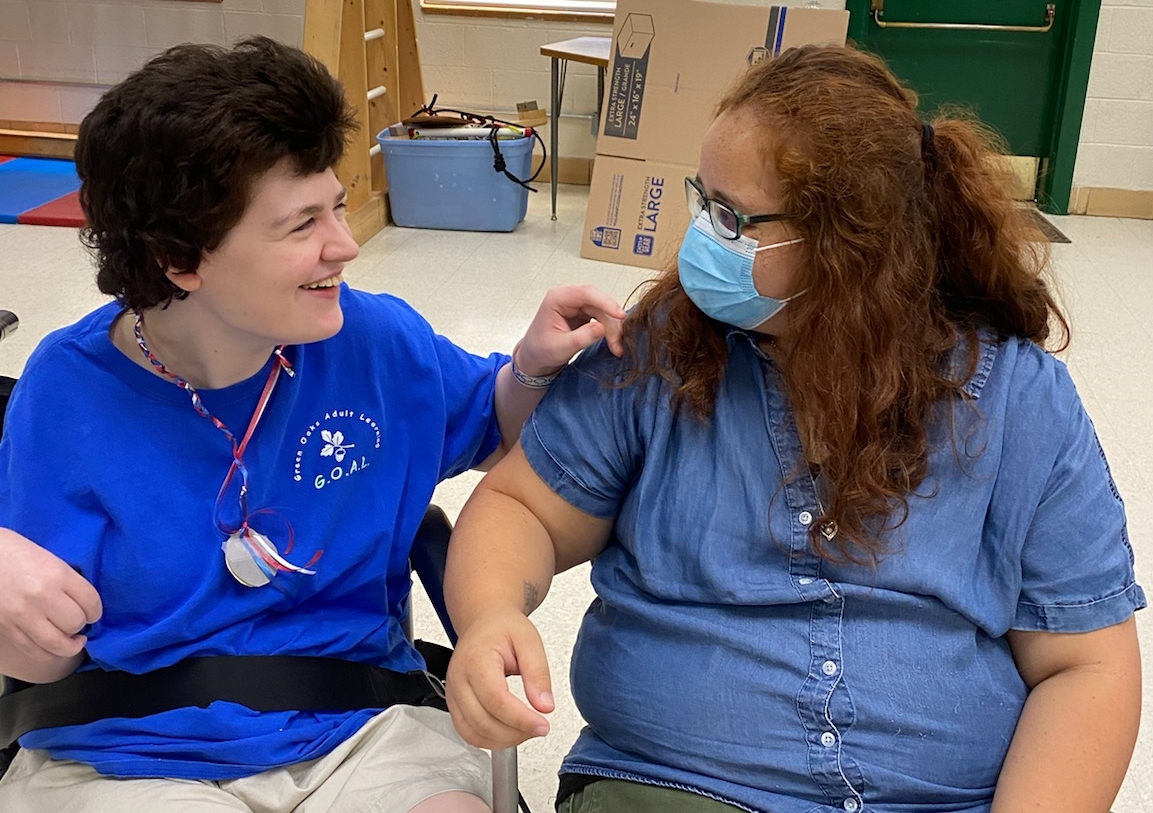
Maintaining Quality of Life as Adults With Intellectual Disabilities Age
The goal is not just to add years to life but to add life to years. A holistic approach helps adults with ID maintain their abilities, independence, and joy.
1. Prioritize Health and Wellness
- Regular medical and dental care
- Vision and hearing checks
- Exercise appropriate to mobility level
- Nutritional support
- Fall-risk prevention
Small adjustments can prevent major health challenges.
2. Support Continued Independence
Adults thrive when they feel capable and involved. Encourage participation in:
- Daily chores
- Cooking or meal prep
- Recreational activities
- Community volunteering
- Self-advocacy
Even small responsibilities increase confidence and dignity.
3. Foster Social Connection
Loneliness is one of the greatest risks for aging adults. Maintaining friendships and routines can be life-changing.
Great options include:
- Adult day programs
- Social clubs
- Faith-based groups
- Vocational programs
- Community activities
Aging adults still need meaningful connection and purpose.
4. Create Predictable Routines
Routine is especially important for adults with intellectual disabilities. As health needs change, maintaining a sense of normalcy through daily structure reduces anxiety and promotes emotional well-being.
5. Watch for Cognitive Changes
Early signs of dementia may look different in adults with ID. Watch for:
- Withdrawal
- Changes in speech
- Decreased interest in familiar activities
- New anxiety or confusion
Early detection allows for supportive planning.
Green Oaks Education and Support has provided continuing education to adults with intellectual disabilities since 2008. In GOAL (Green Oaks Adult Learning), participants are given opportunities to grow and maintain skills throughout their lifespan. Observing changes while seeing increased signs of aging, we are intentionally developing supports and a safe space for those individuals who need additional support due to aging. To learn more, schedule a time to visit Green Oaks by emailing Jasminedanielson@greenoaksschool.org
To learn more about aging for individuals with intellectual disabilities, attend “Growing Old Gracefully with Intellectual Disabilities: Physical, Emotional, Behavioral and Neurological Considerations,” a conference for families and caregivers, on Saturday, February 28. Click here to Register
Nationally known author, speaker and counselor, Rose Reif, will address mental health and grief. Dr. Lauren Wang, Director of the Center for Intellectual and Developmental Disabilities at the University of Cincinnati Health Center, will speak about physical health and neurological changes.